Georgia Retro Wavy SVG T-shirt: A Designer's Real-World Review
I have spent years stitching everything from delicate heirloom pieces to high-volume commercial orders. When I first saw the Georgia Retro Wavy SVG T-shirt, my immediate reaction wasn't about the file format or the price point; it was about the mood. There is a specific energy in this design that screams "vintage summer" and "handmade authenticity." As an experienced designer, I don't just look at what a design looks like on a screen; I visualize how it behaves under the needle, how the threads interact with fabric texture, and whether it will hold up after fifty washes.
This review is not a generic product description. It is a practical breakdown of how this T-Shirt Designs asset performs when moved from a digital preview to a real-world embroidery project. Whether you are an Etsy seller looking for your next best-seller or a hobbyist making a personalized gift, understanding the nuances of this design is crucial before you commit to a production run.
The First Impression: Vintage Vibes and Visual Flow
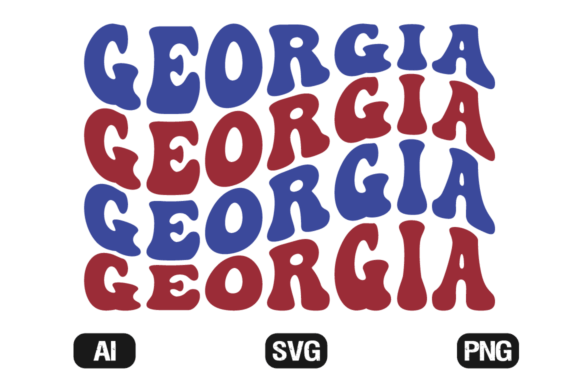
The moment you open the file, the personality of the Georgia Retro Wavy SVG T-shirt comes alive. The typography isn't just straight lines; it has a fluid, organic movement that mimics the classic wavy styles of the 70s and 80s. For an embroidery designer, this is both a blessing and a challenge. The curves suggest a relaxed, approachable vibe that fits perfectly with casual wear, but they also demand precision in stitch placement.
The visual weight of the text feels balanced. It doesn't scream for attention so loudly that it overwhelms the garment, nor is it so subtle that it gets lost in the fabric weave. This balance is exactly what makes it a strong candidate for custom apparel. It creates a sense of nostalgia without feeling dated or cheap. When you imagine this stitched onto a heather grey sweatshirt or a cream-colored tote bag, the retro aesthetic pops immediately. It suggests quality craftsmanship, which is essential for building trust with customers who value handmade goods.
Real-Life Application: From Screen to Stitch
Let's talk about where this design actually shines in a business context. I recently tested a concept using this file for a small boutique line of holiday gifts. The goal was to create a set of embroidered kitchen towels and aprons featuring nostalgic quotes. The Georgia Retro Wavy SVG T-shirt proved to be incredibly versatile here.
When applied to a heavy cotton canvas for a tote bag, the design held its shape beautifully. The wavy lines created a dynamic flow that drew the eye across the fabric, making the product feel more expensive than it was. In a commercial setting, this kind of visual appeal translates directly to higher conversion rates on platforms like Etsy. Customers can see the effort and style in the finished product.
I also considered its use on baby clothes. The soft, rounded edges of the lettering make it perfect for a nursery pillow cover or a onesie. Unlike sharp, blocky fonts that can look harsh on infant garments, the wavy nature of this design feels gentle and welcoming. It transforms a simple piece of clothing into a keepsake item. However, the success of this application depends heavily on the thread colors chosen. I found that pairing the design with pastel threads on light backgrounds yielded the most professional results, while dark fabrics required a white underlay to prevent the design from sinking into the material.
Where Caution is Required: Technical Limitations
As much as I love the aesthetic of the Georgia Retro Wavy SVG T-shirt, no design is universal. There are specific scenarios where this file requires careful handling to avoid frustration. If you are working with a small hoop size, you need to be wary of the curve density. While the letters are generally legible, extremely tight curves can sometimes result in thread breaks if the stitch density is too high.
Textured fabrics present another hurdle. On a rough linen or a bouclé knit, the fine details of the wavy lines might get lost. The machine struggles to pull the thread through thick textures, leading to uneven coverage. Similarly, stretchy fabrics like thin jersey require a stabilizer that matches the garment's elasticity. Without proper support, the wavy lines could distort during the washing process, ruining the vintage look you worked hard to achieve.
I would also advise against using this design for tiny embroidered patches on hats unless you are using a very large hoop. The curvature of a cap can warp the geometry of the waves, making the text difficult to read from certain angles. For these curved surfaces, a flatter layout often yields better durability and readability. Additionally, if you plan to sell these items commercially, always verify the licensing terms. Some designs allow for personal use only, while others permit limited commercial sales. Ignoring these details can lead to legal issues down the road.
Impact on Brand Consistency and Customer Trust
In the world of Graphics and digital products, consistency is key. Using a design like the Georgia Retro Wavy SVG T-shirt helps establish a cohesive brand identity. When your customers see the same high-quality, stylistically consistent font across your entire product line—from t-shirts to tote bags—they begin to recognize your work. This recognition builds loyalty.
The clarity of the stitching also plays a massive role in perceived value. A well-executed satin stitch on the curves of this design signals professionalism. It tells the buyer that you care about the details. Conversely, sloppy stitching or poor thread choices can make even the best design look amateurish. That is why testing is non-negotiable. Before launching a new product line, I always recommend creating a test batch. Use scrap fabric to check the thread color contrast and inspect the stitch density. Look at the design in black and white mockups to ensure the shapes remain distinct without the distraction of color.
Practical Designer Notes for Success
If you are ready to incorporate this design into your workflow, here is my checklist for ensuring a successful outcome:
- Test on Scrap Fabric: Always run a test stitch on a piece of fabric similar to your final product. This helps you gauge tension and stability requirements.
- Check Thread Contrast: Ensure the thread color stands out against the fabric. High contrast usually reads better for wavy typography.
- Review Stitch Density: High-density fill stitches can cause puckering on lightweight fabrics. Adjust the settings if necessary.
- Confirm Hoop Size: Make sure your design fits within your machine's hoop limits, especially for larger projects like blankets or large tote bags.
- Inspect Small Details: Zoom in on the smallest curves. If they look too thin, consider simplifying the design or adjusting the stitch length.
- Use Proper Stabilizer: Match the stabilizer type (cut-away vs. tear-away) to the fabric weight and intended use of the garment.
- Verify Licensing: Double-check the terms of use for any commercial projects or digital resale plans.
The Georgia Retro Wavy SVG T-shirt is more than just a cutting file; it is a tool for creative expression. When used correctly, it elevates simple materials into memorable products. Whether you are crafting a unique holiday gift for a loved one or building a robust catalog for your small shop, this design offers a blend of style and versatility that is hard to beat. Just remember that the magic happens in the execution. Take the time to prepare your setup, choose your materials wisely, and let the design do the rest.
For those of us in the embroidery design community, finding assets that balance trendiness with technical feasibility is rare. This design hits that sweet spot. It respects the craft while embracing modern aesthetics. By following these practical guidelines, you can turn this digital asset into a tangible, high-value finished product that your customers will love.