Kindness Bundle: A Designer's Real-World Embroidery Review
As someone who has spent years turning digital files into tangible, stitched products for clients and my own shop, I know that the difference between a "nice looking" design and a professional finished product often comes down to practical judgment. Today, I'm putting the Kindness Bundle through its paces before it ever touches an embroidery machine. This isn't just about downloading a zip file; it is about understanding how these graphics will translate from a screen to fabric, how they will hold up after washing, and whether they are truly ready for your next custom apparel or boutique project.
The First Impression of Kindness Bundle
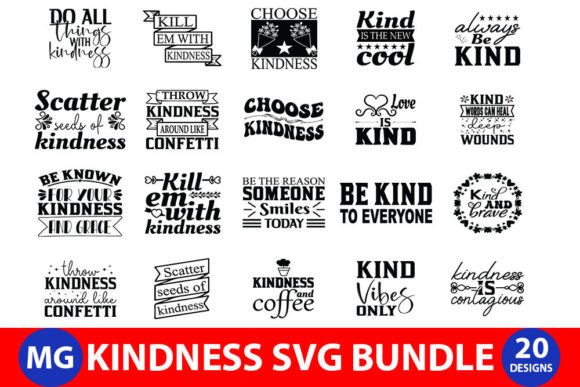
When you first open the Kindness Bundle, the immediate feeling is one of warmth and approachability. In the crowded world of Crafts and Graphics, designs that scream "buy me" often fail when actually stitched. This collection feels different. The shapes appear balanced, with a layout that suggests movement without being chaotic. It creates a mood that fits perfectly with personal gifts, nursery decor, or branding for a small business focused on community and care.
The visual personality of this bundle leans towards clean lines and readable typography. For an embroidery designer, this is crucial. If the design relies too heavily on tiny, intricate details that get lost in the thread, it becomes a frustration during production. From what I can see in the preview files, the Kindness Bundle maintains clarity even at smaller scales. It feels like a design meant to be worn on a sweatshirt, stitched onto a tote bag, or framed as a decorative pillow cover. It has the kind of versatility that makes it valuable for both hobbyists and serious commercial entrepreneurs.
Real-Life Application: From Screen to Stitch
Let's imagine a real scenario. You are preparing for a holiday craft fair or fulfilling a rush order for a client who wants a personalized baby blanket. You need something that conveys love but looks polished enough to justify a premium price point. This is where the Kindness Bundle shines.
I envision taking a file from this set and using it for a tote bag design. The structure of the graphics seems robust enough to handle the density required for a durable bag, yet light enough not to overwhelm the canvas. When stitching a sweatshirt embroidery project, the balance of the design ensures it sits comfortably on the chest or back without pulling the fabric too much. For a custom apparel line, these assets allow you to create cohesive collections quickly, ensuring every item looks like it belongs together.
Furthermore, if you are an Etsy seller creating printable mockups to showcase your work, having these high-quality design assets allows you to present a professional image immediately. Customers trust shops that look consistent. Using a cohesive set like Kindness Bundle helps build that brand recognition. Whether you are making embroidered patches for jackets or holiday embroidery projects for seasonal sales, the visual appeal translates well into a finished product that customers want to buy.
Where to Exercise Caution
However, no design is perfect for every situation, and a good reviewer must be honest about limitations. While the Kindness Bundle is versatile, there are specific scenarios where you need to be careful. If you are working with a very small hoop size, such as those used for cuff embroidery or tiny cap logos, you must verify that the smallest details in the files remain legible. Tiny lettering can easily disappear under a layer of satin stitch if the original vector isn't scaled correctly.
Fabric choice is another critical factor. On textured fabrics like heavy denim or boucle wool, fine details might get lost in the weave. Similarly, if you are working with thin or stretchy fabrics, the stability of the design depends entirely on your stabilizer choice. Dense stitch areas within the Kindness Bundle could cause puckering if you do not use a proper cut-away or tear-away stabilizer underneath. Dark fabrics also require a strategy for underlay stitches to ensure the colors pop, which means you cannot simply load the file and hit start without checking your thread color contrast.
Curved surfaces, like caps or hats, add another layer of complexity. Designs that look flat on a computer screen may distort when wrapped around a curved form. Always test the embroidery file on a scrap piece of the actual material you intend to use. This is especially important for commercial embroidery projects where a mistake costs money and reputation. Avoid using highly detailed corners on items that undergo frequent washing, as the friction can fray delicate threads over time.
Design Notes for the Professional Maker
To get the most out of this collection, I recommend treating it as a starting point for experimentation rather than a final solution. Before committing to a full production run, always test the design on scrap fabric. This step reveals how the stitch density interacts with your specific fabric texture and thread colors. Check the hoop size compatibility early to ensure you aren't trying to force a large design into a space that is too small.
Review the individual files for their stitch types. Are there large areas of fill stitch that might trap lint? Do the satin stitch sections have sharp angles that could break needles? Is there a mix of running stitch that adds a nice hand-stitched feel, or does it look unfinished? Inspect the small details closely. Sometimes, a file that looks great on a monitor needs minor adjustments in the digitizing software to optimize it for machine execution.
Another vital step is testing the design in black and white mockups. This helps you visualize the contrast without the distraction of color. Compare how the design performs on light backgrounds versus dark backgrounds. If you plan to sell finished items, confirm the licensing terms explicitly. Does the purchase allow for commercial embroidery of the final product, or is it restricted to personal use? This distinction is vital for small shop products and anyone running a craft business.
Final Thoughts on Value and Trust
In the end, the value of the Kindness Bundle lies in its potential to elevate your handmade presentation. A well-executed embroidery project builds customer trust. When a buyer sees a clean, professionally stitched design on a personalized gift or a baby embroidery item, they perceive higher quality and are more likely to return. The design supports brand consistency, making your shop look established and reliable.
For the creative entrepreneur, having a reliable library of digital embroidery files saves hours of time. Instead of hunting for individual elements, you have a curated set ready for immediate use. Whether you are creating a kitchen towel for a wedding gift or a batch of apparel decorators for a local boutique, this bundle offers a solid foundation. Just remember that the magic happens in the setup—proper stabilizer, correct thread selection, and a pre-test on scrap fabric are non-negotiable steps.
If you are looking for a collection that balances aesthetic charm with practical utility, the Kindness Bundle is a strong contender. It respects the art of stitching while providing the flexibility needed for modern crafting demands. By approaching it with the caution and preparation outlined above, you can turn these digital graphics into cherished, high-value physical treasures.