Work to Live, Live to Fish: A Designer's Real-World Review
As a designer who spends hours tweaking stitch density and testing thread colors on everything from delicate baby onesies to heavy-duty workwear, I approach every new digital asset with a mix of excitement and skepticism. When I first encountered the Work to Live, Live to Fish design, my immediate reaction wasn't about the file formats or the price point; it was about the vibe. This isn't just another generic text quote buried in a ZIP file. It feels like a conversation starter, a badge of identity for the person wearing it, and a potential hero piece for a small business owner looking to expand their catalog.
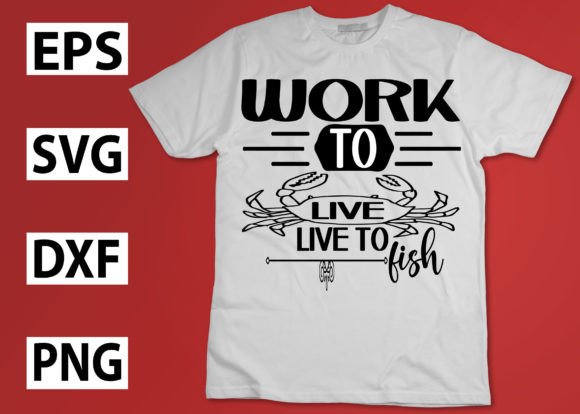
The concept is simple yet effective: "Work to live, live to fish." It taps into a universal desire for balance, specifically for those whose passion lies outside the office. For an embroidery designer, the challenge is always translating that sentiment into physical stitches that hold up over time without distorting the fabric. Let's dive into how this design performs when we move it from the screen to the hoop.
First Impressions: Mood and Visual Personality
When you open the files containing Work to Live, Live to Fish, you are greeted by a layout that prioritizes readability and flow. The typography feels relaxed, suggesting that the wearer isn't stressed about the deadline but rather focused on the catch of the day. In the world of Graphics and digital assets, it is easy to find designs that look great on a monitor but fall apart under a sewing machine needle. However, this design seems to have been conceived with the texture of thread in mind.
The visual personality here is rugged yet polished. It doesn't scream for attention with overly complex flourishes; instead, it relies on clean lines and a strong message. This makes it incredibly versatile. It works perfectly for a tote bag design where the text needs to be legible from a distance, or for a sweatshirt embroidery project where comfort and softness are paramount. The mood is one of escape and appreciation for nature, which immediately sets the stage for specific product applications.
Real-World Application: From Screen to Stitch
Let me walk you through a scenario I recently faced while preparing for a holiday market. I needed a custom embroidered item for a client who runs a local fishing charter service. They wanted something unique for their crew's aprons that didn't look too corporate. I pulled up the Work to Live, Live to Fish design to test on a sample of heavy canvas.
The result was impressive. The design translated beautifully onto the textured fabric. Because the quote is centered and balanced, it sits well on the chest of an apron or the front pocket of a cap. When I stitched it out, the stitch density held up without puckering the material, which is often a nightmare with dense text-based designs. The running stitch elements (if present in the outline) likely provided a nice contrast against the solid fill stitch areas, adding depth to the final product.
This versatility extends beyond workwear. Imagine this design on a baby embroidery project, perhaps on a soft muslin blanket for a nursery. The phrase takes on a different meaning there—a promise to the future generation. Or consider using it on a kitchen towel for a home chef who happens to be an avid angler. The design bridges the gap between professional utility and personal hobby, making it a smart choice for Etsy sellers and small shop products looking to target niche audiences.
Where to Exercise Caution
While I am generally optimistic about this design, a responsible reviewer must point out where it might struggle. Not every surface is created equal, and the success of Work to Live, Live to Fish depends heavily on your execution.
Hoop Size Limitations: If you are working with a small hoop size, such as 4x4 inches, ensure the lettering isn't too cramped. Tiny lettering can become illegible once stitched, especially if the font has thin strokes. Always check the dimensions before committing to a small item like a wristband or a tiny patch.
Fabric Texture and Stability: Stretchy fabrics, like standard jersey t-shirts, require extra care. Without proper stabilizer support, the tension of the satin stitch could distort the fabric, causing the text to wobble. Similarly, textured fabrics like fleece or thick chenille can hide the fine details of the design. On these materials, the design might look a bit muddy unless you adjust the thread colors for higher contrast.
Dense Stitch Areas: If the design includes large blocks of fill stitch, be mindful of the underlying fabric weight. Heavy stitching on thin fabric can create a stiff, uncomfortable feel, particularly on garments meant for active use like fishing vests. In these cases, reducing the stitch count or switching to a lighter stabilizer might be necessary to maintain the integrity of the finished product.
Impact on Brand and Customer Trust
In the competitive world of craft business, the quality of your embroidery speaks volumes about your brand. A sloppy stitch job or a design that puffs up after one wash can destroy customer trust. Conversely, a clean, well-executed embroidery project elevates the perceived value of the item.
Using Work to Live, Live to Fish correctly can significantly boost buyer engagement. Customers buying personalized gifts or boutique branding items are looking for uniqueness and quality. When they see a design that captures the essence of the fishing lifestyle with precision, they are more likely to view the item as a premium good. This is crucial for commercial embroidery projects where margins matter. A high-quality digital embroidery file that produces a crisp result allows you to charge what your work is worth.
The design also aids in brand consistency. Whether you are creating a line of holiday embroidery gifts or a collection of custom apparel, having a cohesive aesthetic helps customers recognize your style. This quote fits naturally into a broader collection of outdoor-themed designs, allowing you to build a recognizable identity for your handmade product line.
Practical Notes for the Embroidery Designer
Before you hit the start button on your machine, here are a few essential steps to ensure your Work to Live, Live to Fish project is a success:
- Test on Scrap Fabric: Never go straight to the final product. Run a test on scrap material that matches the weight and stretch of your intended fabric. This will reveal any issues with thread colors or stitch density before you waste a good shirt.
- Check Color Contrast: Ensure your thread choice pops against the background. Dark threads on dark fabric can disappear, ruining the impact of the message. Use a printable mockup to visualize the contrast before cutting thread.
- Inspect Small Details: Zoom in on the digital file. Are there any tiny corners or sharp points that might get lost in the stitching process? If so, you may need to simplify the design slightly in your software.
- Confirm Licensing: If you plan to sell finished items featuring this design, double-check the licensing terms included in the ZIP file. Some design assets are for personal use only, while others allow commercial sales. Ignoring this can lead to legal trouble.
- Review File Formats: The package includes EPS Files, SVG Files, PNG Files, and DXF Files. Choose the format that best suits your machine's software. SVG and DXF are typically preferred for modern embroidery machines, while PNGs are great for quick visual previews.
Ultimately, Work to Live, Live to Fish is more than just a string of text; it is a tool for creators to express a shared passion. Whether you are an apparel decorator looking to add variety to your shop or a creative entrepreneur building a brand around outdoor living, this design offers a solid foundation. With careful preparation and attention to detail, it can transform a simple piece of fabric into a cherished keepsake that tells a story.
Remember, the difference between a good design and a great embroidery file lies in the execution. Take your time, respect the fabric, and let the artistry of the machine do its work. When done right, the result is a handmade product that people will wear with pride, celebrating the moments when they trade the office for the water.